My Way Goes Ketogen

Starting keto was a bit of a shock for me, but it turned into one of the best things I’ve done for my health. When I first stumbled on the phrase “my way goes ketogen,” I figured it was all about trendy diets or fads. But as I learned more, I realized keto is about eating real food, tracking down alternatives that taste amazing, and supporting your body in ways that feel good long-term. In this article, I’ll break down how I got started, what I’ve learned, and what might help if you’re thinking of trying keto for yourself.
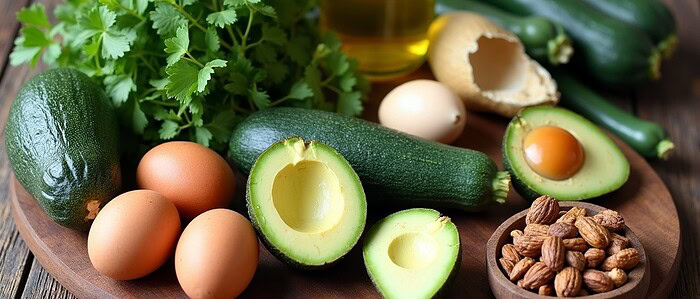
A variety of colorful, fresh keto ingredients like avocados, zucchini, eggs, olive oil, and nuts, displayed on a rustic wooden table.

What Does "Going Ketogen" Actually Mean?

Keto, or ketogenic, means switching your body’s fuel source from carbohydrates to fats. By reducing your intake of foods like potatoes, bread, rice, pasta, legumes, sugar, and processed snacks, you encourage your body to enter a state called ketosis. In ketosis, your body utilizes fat for energy, which can aid in weight management, provide consistent energy levels, and enhance focus.

When I first opened my Keto Fat Burner supplement from GreatLife Worldwide, the package insert explained the details in clear terms. It also made me realize that “ketogen” isn’t just for weight loss; it’s about feeling better overall. With my diabetes, sleep apnea, and a history of cancer, I really wanted a lifestyle that gave my body the best shot at staying healthy and feeling right.

Starting My Adventure: First Impressions and What Shocked Me

If someone had told me a year ago that I’d be avoiding bread, pasta, beans, and corn, I probably would have laughed. The idea of skipping my weekly mashed potatoes or sandwich snacks was almost unthinkable. When I actually read through what keto asks—strict limits on carbs—it hit me how much of my daily food came from those forbidden items.

It took a few days of reading, watching YouTube videos, and comparing nutrition labels to really grasp the changes I needed to make. The shock turned into curiosity: what do I actually like about my usual meals? Could I track down genuine keto-friendly replacements that didn’t taste bland or leave me hungry?

Ketofriendly Foods: Finding My Favorites

One of the best surprises: keto food can be absolutely delicious. Instead of focusing on what I couldn’t eat, I started exploring ingredients and flavors that worked for me. Here are a few of my favorites that make keto feel way more enjoyable:

  • Eggplant, carrots, and onions. All fried in a good splash of olive oil, topped with chopped garlic. Stir in a spoonful of crème fraîche at the end, and you get a creamy, warming dish that fills you up easily.
  • Zucchini spaghetti. I use a spiralizer to turn zucchini into long, noodlelike strands. Toss them in a pan with olive oil, sprinkle with sesame seeds, and top with a grating of Grana Padano or Parmesan. I sometimes add grilled lamb, but chicken or salmon works great too.
  • Cheese boards. Sliced cucumber, a handful of nuts, a couple of small pickles, some hard cheeses, and a few slices of prosciutto or turkey breast. Add olives or sliced bell peppers for an extra crunch.

What really helped me enjoy meals was focusing on fresh, simple ingredients rather than trying to recreate every old carb-heavy favorite. The more I dug into new combinations, the more I looked forward to meals.

For baked goods, I found almond flour and coconut flour let me recreate some favorites, like flatbread or muffins, without the carb spike. Mixing these with eggs, baking powder, and a dash of seasoning made breakfast or snack time much less restrictive.

Ketosis and Energy: What Changed for Me?

Those first few days without carbs were tough, which is totally normal, by the way. Most people experience what’s called the “keto flu.” That means headaches, a bit of brain fog, and feeling moody or tired. My way to get through this was to ensure I drank a lot of water and added a pinch of salt to my meals, as keto initially causes the body to shed water and minerals.

After about a week, things improved significantly. I noticed that my energy levels were much more stable throughout the day—no more post-lunch crashes. I also felt less hungry between meals, and if I had a late breakfast, I didn’t feel starving before dinner. For someone dealing with diabetes, those steady blood sugar levels felt like a win.

I started waking up feeling refreshed and more focused, rather than wanting to crawl back into bed. Even my evening cravings faded, replaced by a more even sense of hunger and satisfaction. It seemed like my body was tapping into its fat reserves more efficiently, which made sense given what I’d learned about ketosis. If you’re accustomed to experiencing major highs and lows in your daily energy, this improvement alone is worth trying the keto diet.

Keto and Chronic Conditions: My Personal Experience

I started keto not just for weight loss, but because I was looking at a health reboot. Managing diabetes, recovering from cancer surgery, and living with sleep apnea puts a lot of stress on the body. The common thread I kept finding in my research was that reducing processed foods and added chemicals is suitable for nearly everyone, especially when managing multiple health conditions.

What stood out to me was how much ultra-processed food is hidden in most packaged snacks, frozen meals, or supposedly “low-fat” alternatives. Reading ingredient labels can be an eye-opener. Going keto nudged me towards real, homemade meals, more veggies, and good fats—from avocados, nuts, and olive oil to natural cheeses and quality proteins. My blood sugar readings have been more consistent, and I feel more alert on a day-to-day basis.

One other plus: my joint pain has reduced. I used to wake up with stiffness and soreness, but after a few weeks on keto, I noticed the difference. It may not be everyone’s experience, but for me, less inflammation and more energy made every day easier to manage. Combined with light exercise and enough rest, it truly gave my health a boost.

Simple Keto Recipes That Keep My Diet Interesting

One big myth about keto is that it’s boring or repetitive. There’s actually a lot of room to get creative if you like to experiment in the kitchen. I keep a few recipes in regular rotation:

  • Egg muffins: Whisk eggs with chopped spinach, onions, and shredded cheese. Pour into muffin tins and bake for grab-and-go snacks.
  • Stir-friedStir-fried small veggies with cream: Mix sliced mushrooms, zucchini, and peppers in olive oil. Add heavy cream and a pinch of paprika for a creamy, comforting finish.
  • Fat bombs: Blend coconut oil with cocoa powder and a small amount of peanut butter. Chill in the fridge for bite-sized treats that satisfy those midday cravings.
  • Salad bowls: Top fresh spinach with grilled salmon or chicken, add avocado slices, pumpkin seeds, and a lemon olive oil dressing. This one never feels like “diet” food.
  • Cauliflower Fried Rice: Pulse raw cauliflower florets in a food processor until they are a quick andrice-sized. Sauté in a pan with soy sauce, diced veggies, scallions, and diced chicken or shrimp. It’s satisfying and keeps well for leftovers.
  • Simple chia pudding: Stir together chia seeds, unsweetened almond milk, and a splash of vanilla extract. Let it thicken overnight. Top with unsweetened coconut flakes and a few raspberries for a quick and easy breakfast.

Having a variety of go-to dishes stops keto from ever getting dull. If you miss crunchy snacks, try roasting pumpkin seeds or making cheese crisps in the oven—they’re satisfying and straightforward.

Tips for Getting Started With Keto

If you’re interested in giving keto a shot, I’ve got a few tips that made my transition smoother:

  1. Clear out the carb-heavy. MealSnacks prep ahead of time: Batch-cook hard-boiled eggs, roasted veggies, or chicken thighs so you have quick meal options. Snacksbegan to appreciate the natural sweetness in vegetables: It’s easier to avoid temptation if you don’t have pasta, chips, or cookies in the house.
  2. Read nutrition labels: Check for hidden sugars and starches, especially in sauces or dressings. You’d be amazed at what sneaks in there.
  3. Meal prep ahead of time: Batchcook hardboiled eggs, roasted veggies, or chicken thighs so you have quick meal options.
  4. Stay hydrated: Your body loses more water on keto, so drink up and consider adding electrolytes.
  5. Give your taste buds time: Flavors feel different without constant sugar and carbs. After two weeks, I began to appreciate the natural sweetness in vegetables and nuts more than ever.
  6. Find support: Join online communities, forums, or local groups so you can swap recipes, share wins, and get advice if you’re feeling stuck.

Potential Challenges and Realistic Solutions

No diet is perfect, and keto comes with its own bumps. Here’s how I’ve handled a few common obstacles:

Craving Sugar and Junk Food

This was the hardest part early on. I swapped candy for a couple of berries or a chunk of dark chocolate (90 percent cacao). For crunch, airfried kale chips or nuts usually did the trick. Sometimes I’d drink a tall glass of water or herbal tea, which helped blunt the cravings.

Eating Out With Friends

Choosing steak or grilled fish, and asking for extra veggies instead of fries, made most restaurant menus doable. I usually let the server know I’m avoiding starches and added sugars, and they’re used to the request these days. Some places even have lowcarb or keto options listed.

Sticking It Out for the Long Haul

Tracking progress kept me motivated. For me, that was blood sugar readings, but it could just as easily be how your clothes fit or jotting down how you feel each day. Small wins add up, so don’t underestimate the power of noting down even those little milestones like improved sleep or a better mood.

Dealing With Social Pressure

Not everyone gets the keto thing. When family dinners or gatherings pop up, I usually offer to bring a ketofriendly side or dessert. That way, I can enjoy the event and stay on track without feeling deprived or awkward.

Common Keto Myths Busted

  • Keto is just bacon and butter. Not true. Most of my meals are veggies, nuts, seeds, and a moderate amount of protein. Fats are important, but balanced meals make keto sustainable.
  • It’s unsafe for everyone. While keto isn’t the best fit for some health issues, many people actually do better on a lowercarb plan. Of course, it’s smart to talk to your doctor, especially if you’re taking medication.
  • You never get to enjoy sweets. There are plenty of keto dessert recipes out there, like cheesecake bites or peanut butter cookies using almond flour. Just go easy on ketoapproved sweeteners—they’re best as an occasional treat.

Is a Keto Supplement Necessary?

I did start my adventure with a supplement, Keto Fat Burner from GreatLife Worldwide. It claimed to provide metabolic ketosis support, steady energy, and focus. In my experience, the supplement was just a nudge in the right direction. The real results came from consistently eating keto foods and staying active. Supplements can help, but they’re no magic fix. Real, whole foods have made the biggest difference in how I feel and function. If you're thinking of using a supplement, make sure to research and consult with a healthcare provider to see if it's suitable for you.

Quick FAQ About Keto for Newcomers

These are a few questions I wish I’d had answered clearly in the early weeks:

Can I eat fruit? Small amounts of berries are usually fine on keto. Bananas, grapes, and mangoes are much higher in sugar, so I avoid those.


What about alcohol? Clear spirits like vodka or gin have few carbs, but beer and sugary cocktails are out. I stick with sparkling water and lime most of the time anyway.


How do I know I’m in ketosis? For me, consistent energy, lack of cravings, and better focus signaled ketosis. Some people use urine strips or blood tests if they want to get specific, but I've found the most reliable sign is how I feel day to day.


Why did I get a headache at first? This is a classic part of “keto flu.” Drink more water, get enough salt, and it usually fades in a few days. Muscle cramps or irritability are also common and typically improve once your body adapts.


Do I have to count every carb? Tracking carbs for the first few weeks is helpful, but over time, you’ll get a feel for what works. Many people find success by focusing on eating real, unprocessed food rather than obsessing over numbers forever.


Will I miss bread forever? There are lots of keto-friendly bread and wrap recipes using almond or coconut flour. They won’t taste exactly like the original, but many come pretty close. Each discovery is a small win and makes the new lifestyle more sustainable.

Wrapping Up: My Big Keto Takeaways

Keto has taught me a lot about how food affects the way I feel, move, and think. My way of going keto isn’t about being perfect every day; it’s choosing food that works for my body and skipping the stuff that drags me down. Cutting out processed junk, loading up on healthy fats, and building simple, delicious meals helped me feel more in control of my health, even with chronic conditions in the mix. If you’re considering keto, do your research, listen to your body, and don’t be afraid to try new recipes. The benefits are personal, but for me, eating keto is here to stay.

If you're ready to give keto a try, remember: there's no one-size-fits-all approach, but the right approach can make your meals enjoyable and healthy. Discover what you like, connect with others for support, and continue experimenting until you find what keeps you energized and satisfied. The adventure is worth it for the chance to feel your best. Are you interested in this type of nutrition? Simply visit this page and become a member of GreatLife worldwide. (If you buy from them, I will receive a small commission.)

Look Up At Wealthy Affiliate

Wealthy Affiliate program dashboard screenshotIf you’re looking to build a real online business or want to understand the basics of affiliate marketing, Wealthy Affiliate stands out as a solid place to start. I remember when I first searched for dependable ways to earn money online, I came across a lot of hype and empty promises. Wealthy Affiliate felt different from the beginning, offering step-by-step directions without bells and whistles.

You don’t need to be an expert or have technical skills to join. The platform meets you at your level, whether you’re brand new or already have some experience. I’m going to share what you need to know if you’re thinking about joining Wealthy Affiliate: what it is, how networking works, the right way to find your focus, building quality content, and designing a website that feels authentic to you.


Join a Supportive Networking Program

I noticed right away that the Wealthy Affiliate community gives more than just tutorials. Members actually answer your questions, and it’s easy to connect with others who are also on their learning adventure. From my experience, joining the platform is much more than signing up for a course; you’re entering a network that really wants to see you succeed.

  • Live Chat: There’s a 24/7 live chat area where you can get help quickly. I’ve used this many times when I got stuck on something technical or needed a fast opinion.
  • Forum Discussions: Dedicated spaces let you ask about tools, strategies, or even share wins and struggles. The range of answers I’ve seen there is broad, from brand new questions to fine-tuning advanced tactics.
  • Direct Mentoring: Experienced members sometimes offer personal guidance. When I needed advice about niche selection, reaching out privately made all the difference.

Why Networking Matters

When you’re starting, having a support system helps keep your momentum up. Whenever I felt stuck or discouraged, finding encouragement from others who’ve had similar setbacks kept me moving forward. It’s not just about getting answers—it’s about being surrounded by people who get what you’re doing.


Learn the Essentials of Finding Your Hub

I call your website your hub because it’s the center of everything you do online. Wealthy Affiliate’s training teaches you how to pick a focus (called a niche) and explains where to start.

  • Start With Your Interests; I picked my first niche by thinking about the hobbies and topics I know best. The training asks you to match what you care about with what people search for online.
  • Research Demand: Tools built into the platform, like Jaaxy, help you find exactly what people are looking for. Instead of guessing, I learned to look for topics with steady traffic and reasonable competition.
  • Pick a Clear Focus; Starting broad makes it tough to stand out. Wealthy Affiliate’s lessons helped me narrow things down to something specific, which made it much easier for my site to get noticed.

Avoid Spreading Yourself Thin

The temptation to cover everything in a topic is real. I found that focusing on one area and serving that audience yields results more quickly. The platform does a good job of encouraging focus in its training.


Write Good Content That Builds Trust

Content is what builds your authority and trust. Wealthy Affiliate puts a big focus on creating articles that actually help the reader. Here’s how I’ve learned to write content that stands out:

  • Teach, Don’t Sell; My most successful articles give away real value first. Instead of pushing products, I show readers how to solve a problem or answer a question.
  • Share Your Story: Being open about my own wins and failures makes my content relatable. Audiences connect with honesty, and the training encourages sharing your personal adventure.
  • Use a Simple Structure; Breaking content into sections, like this article, made my posts easier to read. Short paragraphs and plain language always work better than long, complex explanations.

SEO Built In

The training at Wealthy Affiliate shows step-by-step how to use search engine optimization (SEO) tools. This makes it easier for your articles to show up in Google. By following these methods, I’ve seen some of my own posts climb the rankings without spending extra money on ads or tools.


Make Your Website Attractive and Useful

How your website looks and works is significant for keeping visitors interested. While Wealthy Affiliate gives you templates and tools for design, I’ve picked up a few tips that made my site more inviting:

  • Simple Is Better; Clean layouts with clear menus make it easy for visitors to find what they need. I avoid flashy designs that distract from the content.
  • MobileFriendly; More people visit from their phones, so I always check my site on mobile to make sure images, buttons, and text look right.
  • Add helpful features, such as easy-to-use contact forms, clear About pages, and simple navigation, to increase: feedback and repeat visitors.
  • Consistent Branding: Using the same color palettes and logos across my content helps create trust with readers. Consistency made my website feel more professional over time.

Wealthy Affiliate gives you plenty of tools, but it’s up to you to put your personal stamp on it. Visitors notice when you care about their experience.


Common Questions and Tips for Getting Started

Is Wealthy Affiliate suitable steps Wealthy Affiliate a suitable step-by-step process for beginners? Step-by-step, straight-forward, and with almost no experience, I found the step-by-step beginner lessons straightforward. Step-by-step, succinct concise, and easy to follow for beginners?

I joined with almost no experience and found the step-by-step beginner lessons to be Step-by-step, straight forward straightforward. Step-by-step, concise, and easy to follow. The bootcamp series walks you through setup, content, and promotion one step at a time.

What does it cost?

There’s a free starter option that gives access to the core training and tools. If you find value and want more features, you can choose to upgrade later, but there’s no pressure. I started for free and upgraded once I saw results.

How soon do you see results?

It takes time to build up traffic and earnings. My first few months were spent focusing on learning the basics and assembling content. Most members see gradual growth rather than overnight wins.


Take Your First Steps in Affiliate Marketing

Once you’ve decided to try Wealthy Affiliate, getting the most out of it comes down to taking practical steps each day. The training provides a roadmap, but the key is staying consistent with building your hub, writing helpful content, and prioritizing your readers' needs.

Here’s how I recommend getting started:

  1. Sign up for the free Wealthy Affiliate starter plan to explore the training and community.
  2. Pick a niche based on interests or experience, then use the tools provided to check demand.
  3. Write your first few posts focused on helping a specific audience, even if you’re learning as you go.
  4. Use feedback from the community to improve your website’s design and navigation.

Building something worthwhile online takes time, but having a supportive platform and quality training made the process easier for me. With genuine effort and a willingness to learn, Wealthy Affiliate offers a real path to building a website, brand, and income you can be proud of. If you’re ready to get involved and make the most of a popular and trusted community, Wealthy Affiliate could be your first big step into the world of affiliate marketing. Remember, consistency and seeking feedback are your allies on this ride. Don’t be afraid to ask questions and reach out. The adventure is yours to shape.Yellow brushed question

Make Your Day Count

If I want to make my day count, I know it takes more than just getting through a checklist or waiting for something big to happen. Every day holds the chance to create small wins or enjoy meaningful moments, and I’ve found these all add up over time. No matter what’s on my plate, choosing to spend my energy with purpose can make a real difference. Here, I’ll share how you can take daily steps to shape your day in ways that feel satisfying and productive for you.

A vibrant sunrise over a misty valley, symbolizing a fresh start and new opportunities.

Why Making Your Day Count Matters

When I pay attention to how my day unfolds, I notice more opportunities to enjoy or improve my life. Days often slip by when I’m distracted or focused only on routine tasks, but I always feel more content when I’m intentional with my time. Research on time management and positive psychology supports this, showing that individuals who set small daily goals tend to experience greater satisfaction and reduced stress. Even if I can’t control everything, what I choose to do each day shapes my overall outlook.

Sometimes, making today count simply means giving more attention to things that bring joy or move me closer to a personal goal. It doesn’t always have to be about major achievements. Choosing to spend a few minutes reading, moving my body, or connecting with someone I care about can turn an ordinary day into one that feels meaningful.

Starting Fresh Every Morning

Waking up with some sort of plan or positive mindset helps me get my day on track from the beginning. Instead of allowing my phone or outside noise to set my tone, I’ve found that a simple morning routine keeps me grounded. This could be making a quick to-do list, enjoying a quiet cup of coffee, or writing a couple of sentences in a journal.

I also try to set one or two intentions, simple things that I want to focus on for the day. For example, if I’ve been feeling scattered, I might decide to really focus on finishing a big task or staying present during conversations. These small choices turn my morning energy into something productive and positive.

  • Quick journal notes: Jotting down what I’m grateful for or one thing I want to achieve
  • Physical movement: Even a ten minute walk or stretching helps me feel more awake
  • Setting a realistic to-do list: I avoid overloading myself, which helps keep expectations reasonable

Practical Steps to Make an Impact Each Day

Turning daily routines into purposeful actions doesn’t need to be complicated. Over time, I’ve come up with a few strategies that consistently help me feel more proud of how I spend my time. Here’s how I approach this:

  1. Set Priorities Wisely: I pick up to three main tasks that need to get done. If everything feels urgent, nothing gets the attention it deserves. Focusing on less usually means I get more meaningful work done.
  2. Time Blocking: I divide my day into chunks for work, rest, connecting with people, or fun. This structure makes me less likely to waste time or fill my hours with distractions like social media.
  3. Small Acts of Kindness: Complimenting a coworker, helping my neighbor, or sending a quick check-in message to a friend turns a regular day into something more special, both for me and others involved.
  4. Reflect for a Moment: At the end of the day, I look back and notice one moment that made me smile or one thing I handled well. These reflections keep me motivated and help me see the value in what I did, even if the day didn’t go exactly as planned.

Common Challenges and How I Tackle Them

Trying to make every day matter isn’t always as easy as setting good intentions. Some days get busy or stressful, and I find myself slipping into autopilot. Here are a few common challenges I face and how I handle them:

  • Not Enough Time: When I feel like there isn’t enough time, I try to adjust my expectations. Even a small victory or moment of joy makes a difference.
  • Distractions Everywhere: Turning off unnecessary notifications on my phone and computer helps me keep my focus on what really matters.
  • Low Motivation: On days when I don’t feel very driven, I pick the easiest or most enjoyable item on my list to build some momentum.
  • Perfection Pressure: I remind myself that progress matters more than perfection. Getting something done, even imperfectly, usually feels better than putting it off.

How I Stay Consistent

Consistency makes it easier to turn daily intention into habit. For me, routines don’t mean doing the same thing every day, but having certain anchors, like starting my morning with a stretch or winding down with a few minutes of quiet. I find that habit trackers and gentle reminders support my efforts without adding pressure. I also let myself celebrate small wins, which keeps the process enjoyable. Maintaining consistency comes from making things feel light and not turning routines into strict obligations. Sometimes, if I miss a day, I simply pick up where I left off and keep the process friendly, knowing that it’s the act of coming back that keeps the habit alive.

What If a Day Feels Wasted?

If a day doesn’t go as planned or I get off track, I don’t beat myself up over it. Recognizing what got in the way, or just accepting that not every day can be productive, helps me reset without guilt. Learning from off days and moving forward with a clear mind is more helpful than dwelling on what didn’t get done. I remind myself there’s always tomorrow to try again. Reflecting on what didn’t work sometimes points me toward a better approach for the next day. Over time, this practice helps me develop a gentler attitude toward setbacks and allows me to turn even tough days into sources of learning.

Ideas for Adding Value to Your Day

Some simple actions I use to bring more meaning into my daily life include:

  • Taking five minutes to step outside and appreciate my surroundings
  • Making time for a short creative activity like drawing or listening to music
  • Starting a small gratitude list and adding to it each evening
  • Trying something new, like a recipe or a different walking route
  • Checking in with my feelings and naming one thing that brought me joy

Even when my day is full, pausing to notice those moments helps me feel connected to what I’m doing. On days when life feels especially repetitive, changing up the smallest details, like lighting a scented candle or putting on a favorite playlist, can make the experience fresh again. These little tweaks, although minor, add novelty and spark renewed interest in the daily flow, making each day unique in its own right.

Questions People Ask About Making Each Day Count

Questions about how to make the most out of each day come up often. I’ve answered a few of the most common ones below based on my own experience and what I’ve learned from others:

Question: How do I stay motivated to make every day count?
Answer: I try to start small and focus on quick wins, especially on hard days. Surrounding myself with inspiring reminders, whether it’s a quote or a photo, also helps me refocus. Some days, writing out a single intention or finding a new mantra can recenter my energy. Motivation isn’t constant, but I’ve learned that putting one step in front of the other often sparks the drive I need to keep going. It also helps to acknowledge achievements, no matter how tiny they seem at the moment.


Question: What if unexpected things mess up my plans?
Answer: I find it helps to stay flexible and see these moments as part of real life. Sometimes, unplanned changes create new chances to enjoy or learn from something different. Adjusting my mindset, and being open to the unexpected, makes it easier to stay calm and even spot little opportunities hidden in the mix. When plans derail, I focus on what’s still possible for the day. Resilience comes with practice, and I give myself permission to adapt rather than resist.


Question: Are there days when it’s okay to rest and do less?
Answer: Absolutely. Taking breaks or having down days is just as important for well-being as productive moments. I aim for a balance that fits what I need right now. Sometimes, rest days give me the recharge I need to face upcoming challenges with fresh energy. Honoring my own limits and responding to my needs with kindness makes my overall routine more sustainable, and I try to appreciate restful days as an essential part of the bigger picture.


Why Small Actions Matter

When I look at how I spend my days, the small actions truly add up. Making a phone call I’ve been putting off, tidying up a space, or simply noticing a nice moment with a friend each carry real weight over time. I remind myself that it’s the steady attention to meaningful moments, not only grand achievements, that shapes how fulfilled I feel. The laughter in a shared meal, the satisfaction of completing a tiny task, or the simple pleasure of a quiet cup of tea often provides the kind of lasting contentment that big triumphs alone cannot offer. It’s the layering of these experiences that leaves me with a sense of progress and joy.

If you ever feel like your days blend, try focusing on just one thing you want to remember from today. Over weeks and months, these moments will fill your memory with proof that you are making your days count. One snapshot each day can become a collection, reminding you how even the ordinary holds something memorable.

Choosing to make every day count doesn’t mean chasing perfection or overloading yourself. Instead, it’s about noticing what matters most to you, acting on it in small ways, and giving yourself credit along the way. Each day brings the potential for purpose, value, or joy, even in the smallest details. When I choose my steps with care, I see how every single day can leave a positive impact, and I’m sure you can, too. It’s all about picking up those little moments, steering your days with intention, and finding meaning as you go. Keep at it, and watch how your life slowly fills up with genuine satisfaction, one step at a time.


Created with Visual Composer
Verified by ExactMetrics